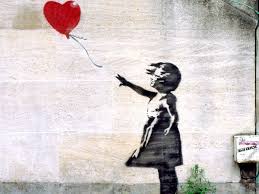
I saw him in my dreams after he died when I was 8 – in one vivid dream, some divine being had taken pity on me and told me to light a candle and pray as hard as I could and he would come back to me. But there was a sting in the tale – he wouldn’t be able to talk to me and I wouldn’t be able to touch him. I prayed and lit my candle, and he did come back, but he looked at me in stony silence, unable to speak to me or hug me, or even come near me. He looked annoyed with me – I shouldn’t have brought him back, he didn’t belong in the world of the living anymore. The divine being told me that if my candle ever went out, he would go again, never to come back this time, and I knew in the dream it was impossible to do this because I had to go to school so who would watch the candle while I was away? By the time I was home from school, he was gone. I woke up genuinely unsure whether it was just a dream. My mind had created my own version of the Orpheus and Eurydice myth. Later in life I began to understand why we tell stories – we need stories to make sense of what can feel so senseless.
Just before my teens, I made a story up in my head about what had “really” happened to him. The story goes as follows. He was unhappy in his life with me (and my mum and siblings, but mostly me) and had found a new family. He was alive with them now. I might go and see him one day because I had tracked him down and he would open the door and look displeased with me and tell me that I couldn’t see him again. He would say I have a new family now. And I would feel happy to see him again and leave him be, safe in the knowledge that he was still in this world.
This imagined hideous rejection was somehow easier to bear than the miserable reality. The unwanted, hateful reality that he was gone forever and that I would never see him again for as long as I lived.
Lisa Appignanesi, the writer and psychoanalyst, wrote the book “Everyday Madness” after her husband, John Forrester, died. The book’s title brilliantly captures the reality of grief in just two words. The problem that too few acknowledge is that grief will push the borders of your sanity, that grief will you test your limits of how much you can humanly bear. Grief is a small, inadequate, word for the greatest agony known to humanity.
“Be with me always-take any form-drive me mad! only do not leave me in this abyss, where I cannot find you! I cannot live without my life! I cannot live without my soul!”
Heathcliff’s lament after Cathy dies is all of us after we lose a loved one – that mad story I invented where I get rejected by my father was preferable to me to his death; that he was really, truly, just gone from this world was just incomprehensible. Grief drives you to the brink of that gossamer thin line between sanity and insanity.
He was only 33 years old when he died. I am now 46. The years since he died have all been a blur, but the years that have passed since I “outlived” him have felt even more surreal. I have lived almost all of my life without my dad and that feels weird to type and I have this urge to fact check myself, but we can all do maths and we all know it’s true.
I became a scientist when I grew up and stayed in that world for decades, but later in life I understood that the pulsating wound that was created in my life by my father’s death needed desperate healing. And I decided that I would become a healer too. I re-trained as a therapist specialising in childhood trauma. When I reflect on my patients, it’s uncanny how many of them lost their fathers when they were girls. I recognise how unfathomable their pain feels (why does this hurt *so* much?), I see their confusion (shouldn’t I be over this by now?), I see their fear (will I ever heal from this?) and sense their worry that their grief will last forever. I genuinely think this grief will drive me to an early death. When I was in the psychiatric wards during my training, it was interesting how any men suffered psychotic collapses after their mothers died. Mothers and their sons. Fathers and their daughters. All going quietly mad in our own ways when we lose each other forever.
I don’t know what my heart looks like, but this image below of a house in a Scottish fishing village in Fife calls to me. Who knows what this house has withstood – right at the edge of the water – battered and battered mercilessly by waves, but still it stands. If you’ve never been to Scotland, you may not know how wild the weather get there, how high the waves can soar, how cold the wind can be that chills you to your bones, and how relentless the rain can feel. Despite everything that its been through, this house hasn’t collapsed yet, and there are the tiniest signs of light and warmth in the windows – those are my children. I’m not sure how much more this house and I can withstand, but for now, I keep going.

 After My Father Died
Leave a comment